

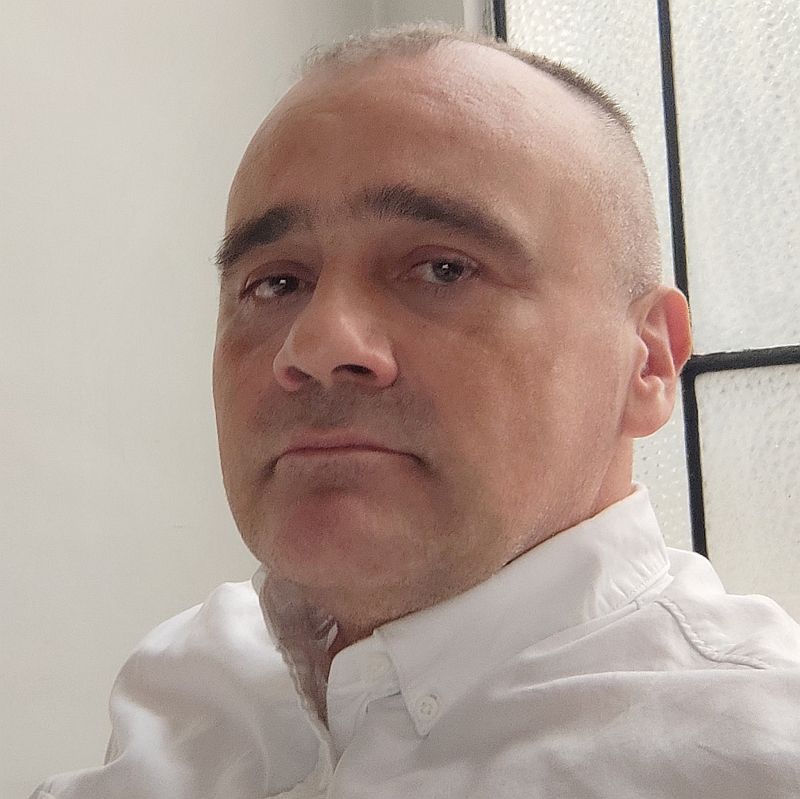
 Eusebiu Jean Tihan, MSc, Principal Psychologist, Psychotherapist and Researcher
Areas of Specialisation and Scientific Expertise
Clinical psychology and psychotherapy, with specialisation in classical Morenian psychodrama; occupational and organisational psychology; psychology applied to the field of national security; forensic psychology and psychological assessment; psychophysiology and the psychology of stress; social psychology and developmental psychology; interdisciplinary approaches at the intersection of psychology, neuroscience, medicine, law, sociology, anthropology and security studies.
Scientific and Professional Profile
Eusebiu Jean Tihan is a Principal Psychologist accredited by the Romanian College of Psychologists in the following specialities: clinical psychology, psychology applied to the field of national security, and occupational and organisational psychology. He is also a psychotherapist specialising in classical Morenian psychodrama. He is a court-appointed forensic psychology expert (Register of Judicial Experts).
He graduated from the Faculty of Psychology and Educational Sciences at the University of Bucharest and holds a Master’s degree in Organisational Psychology from the University of Bucharest. His interdisciplinary training also includes advanced studies in international humanitarian law at the Faculty of Law, University of Bucharest. He is a member of the Romanian College of Psychologists and the Academy of Romanian Scientists.
His professional and scientific activity is conducted at the intersection of psychological practice, interdisciplinary research and the analysis of complex human systems. Since 2008, through TIHAN & ASOCIAȚII, he has been engaged in clinical psychology, organisational psychology, psychology applied to national security, psychotherapy and psychological assessment, including forensic psychological assessments. His previous experience includes work within the Romanian Intelligence Service, where he was involved in activities specific to the field of national security.
His clinical experience includes psychological assessment, individual and group psychotherapy, crisis intervention and psychological work in medical settings. He has expertise in profiling, psychological investigations, conflict management and professional training.
Scientific Research and Project Coordination
A central component of his professional profile is interdisciplinary research.
Between 2001 and 2026, as Scientific Director of the FOCUS Institut Association, he coordinated and participated in research projects bringing together psychologists, physicians, toxicologists and sociologists. His research activity included the coordination of projects within the VIASAN National Research and Development Programme, focusing on the relationship between stress, psychological and physiological mechanisms, homeostasis and population health.
Within the VIASAN 039/2001 project, Stress – A Disruptive Factor in Homeostasis: Psychological and Physiological Mechanisms, the Economic Cost of Stress and Its Implications for the Health Status of the Population of Romania, he served as Project Director between 2000 and 2003. The research sought to integrate the psychological and physiological dimensions of stress and to examine its implications for population health.
Another VIASAN project, conducted in collaboration with the Centre for Military Medical Research, investigated neuropsychological mechanisms in drug users, with a case study focusing on heroin.
His research activity has also included participation in projects concerning attitudes and values within local public administration, reproductive health, and the psychological and sociological analysis of complex social phenomena. This experience contributed to the development of a methodological perspective focused on integrating psychological data with social, medical, organisational and institutional variables.
Contemporary Research Directions
In his recent scientific work, his research interests have expanded to psychophysiology, neuropsychology, psychoneuroimmunology, the microbiome–gut–brain relationship, clinical psychology and integrative psychotherapy, forensic psychology, organisational psychology, national security psychology, developmental psychology, and the impact of digital technologies and artificial intelligence on psychological and social processes.
An important area of research concerns the relationship between psychological processes and physiological mechanisms, including in the context of stress, somatisation, mental health and the functioning of the microbiome–gut–brain axis. Within this area, his recent work addresses, from a conceptual and interdisciplinary perspective, topics such as intestinal microbiome dysbiosis, psychophysiological vulnerability, psychoneuroimmunology, and the integration of neuroimmune systems with psychological processes.
These efforts have resulted in the book:
Cojocaru, Manole & Tihan, Eusebiu Jean (2026, forthcoming), Integrative Pathways in Psychoneuroimmunology: From Skin to Gut, from Mind to Microbiome. 457 pp., Cambridge Scholars Publishing. ISBN-13: 978-1036483456; ISBN-10: 1036483452.
A second major area is clinical psychology and psychotherapy. Recent research and publications address psychotherapy from the perspective of processes of change, neuroplasticity and psychological and somatic integration, as well as clinical topics including trauma, grief, infertility, functional hyperprolactinaemia, obesity, and the relationship between psychological distress and neuroendocrine processes.
Another distinct area is forensic psychology and the application of new technologies in psychological assessment. His recent work explores the relationship between neuropsychological development and legal responsibility, the assessment of minors, artificial intelligence, biometrics, virtual reality and digital architectures of psychological evidence. This direction seeks to develop translational frameworks capable of connecting neuropsychological and behavioural data with the requirements of forensic assessment.
In the field of organisational psychology, his research focuses on processes such as occupational overload, burnout, mobbing, organisational performance, workplace relationship dynamics and the impact of psychosocial factors on organisational functioning. His professional experience in organisational psychology is supported by activities involving performance assessment, psychosociological analysis, recruitment, conflict management and human resources optimisation.
Within the field of psychology applied to national security, his work integrates professional experience in intelligence with research into psychological profiling, psychological influence, cognitive warfare, PSYOP operations, information aggression, individual information security, and the impact of occupational stress on personnel working within intelligence structures.
Editorial and Academic Contributions
Eusebiu Jean Tihan is the author and co-author of a significant number of books, book chapters and scientific articles in the fields of clinical psychology, psychotherapy, organisational psychology, forensic psychology, social psychology, psychophysiology and security. His editorial activity includes works published in Romania as well as contributions to international volumes.
Recent volumes include Analysis of Psychological Processes in Morenian Psychodrama: From Theory to Therapeutic Practice, published by Cambridge Scholars Publishing, as well as works addressing violence and psychological and legal mechanisms, psychological analysis, psychological trauma, and psychological processes in Morenian psychodrama.
His international editorial activity also includes volumes and chapters dedicated to psychoneuroimmunology, the microbiome–brain axis, law and psychology, artificial intelligence, neuropsychology, and interdisciplinary studies of contemporary society.
In 2026, his publishing activity reflects a significant expansion of his interdisciplinary scope, with contributions addressing the microbiome and health, neuropsychology, psychotherapy, forensic psychology, child development, organisational psychology, national security, digital behaviour and artificial intelligence.
Topics addressed include the microbiome–brain relationship, the somatisation of vulnerability, clinical decision-making, psychotherapy as a process of neuroplasticity, neuropsychological development and legal responsibility, telepsychology and cybersecurity, as well as the effects of the digital environment on cognitive and behavioural development.
Interdisciplinary Perspective
The unifying element of Eusebiu Jean Tihan’s scientific activity is an interdisciplinary approach to human behaviour. His professional and academic career brings together clinical psychology, psychotherapy, organisational psychology, forensic psychology and national security psychology with perspectives derived from medicine, neuroscience, psychophysiology, sociology, anthropology and law.
This perspective is reflected both in research into the relationship between stress and homeostasis and in contemporary work concerning interactions between the brain, microbiome, immune system, behaviour and health. At the same time, his experience in security and forensic psychology enables the extension of psychological analysis to contexts characterised by risk, institutional pressure, conflict, legal responsibility and informational influence.
Through this convergence of psychological practice, applied research and interdisciplinary analysis, his work seeks to develop explanatory models capable of connecting the individual, psychological, biological, organisational and societal levels of human behaviour.
The resulting profile is oriented towards translational psychology: the transfer of concepts and methods from fundamental research into clinical practice, psychological assessment, healthcare, organisations, the justice system and the field of security.